Discovering the Strength of Aluminum Foundry: Core Benefits, Value, and Those Who Can Utilize Its Strengths
The aluminum casting industry plays an essential role in today's manufacturing landscape. These processes improve operational efficiency while providing significant benefits such as strength, lightweight properties, and recyclability. Numerous sectors, including automotive and aerospace, gain considerable advantages. However, the challenges and innovations within this field raise important questions. What impact do these innovations carry? Understanding the nuances can reveal how stakeholders can effectively harness these opportunities.
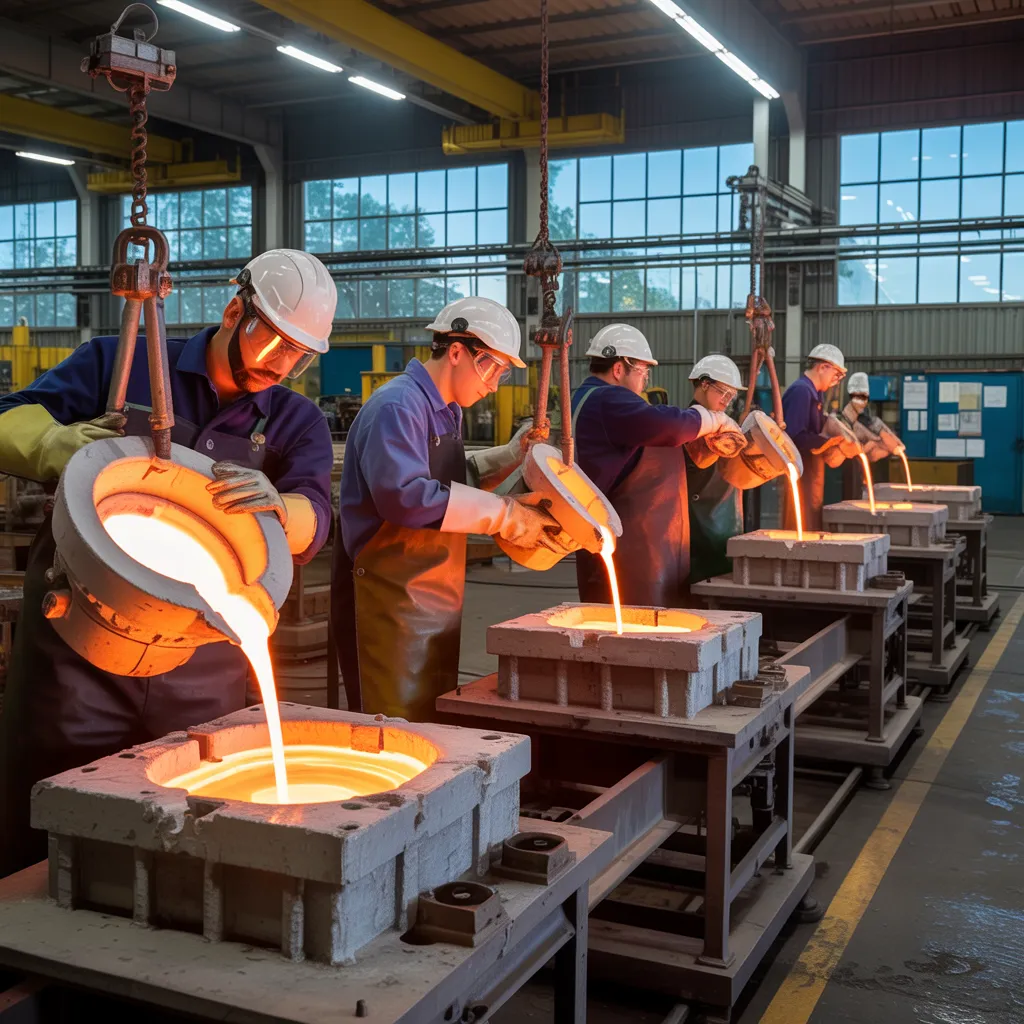
Exploring Aluminum Foundry Processes: What You Need to Know
Why are aluminum foundry processes critical in today's manufacturing landscape? Such processes are vital for turning raw aluminum into practical components that serve a wide range of industries. The aluminum foundry process encompasses several critical stages, including melting, molding, and cooling. Each phase necessitates careful oversight to attain the desired specifications and quality criteria.
Throughout the melting process, recycled aluminum or ingots are heated to their melting point, guaranteeing optimal fluidity for the casting process. The molding stage requires the molten aluminum to be poured into specially designed molds, that can be customized to meet particular application requirements. The cooling phase allows the aluminum to solidify, yielding strong components that fulfill strict performance criteria.
In addition, aluminum complete guide foundry processes can support complicated designs, making them suitable for creating intricate parts. Such adaptability, together with the lightweight nature of aluminum, establishes foundry processes as a major contributor in production industries, driving product efficiency and technological progress.
Primary Advantages of Aluminum in Manufacturing: Strength, Weight, and Cost
Aluminum's exceptional strength-to-mass ratio renders it a preferred material in various industrial applications. This benefit facilitates the production of durable yet lightweight parts, improving overall efficiency. Furthermore, its economical fabrication processes contribute to its broad adoption across multiple sectors.
Exceptional Strength-to-Weight Advantage
The exceptional strength-to-weight ratio of aluminum makes it a preferred choice in a wide range of manufacturing processes. This distinctive characteristic enables manufacturers to develop lightweight constructions without sacrificing structural integrity. In sectors including aerospace, automotive, and construction, the low density of aluminum facilitates considerable weight reductions, which can enhance fuel efficiency and reduce transportation costs. The durability of aluminum alloys additionally enhances their versatility, enabling the manufacture of parts that can endure challenging conditions. Moreover, the capability to develop thinner yet resilient parts unlocks new potential for innovative designs. As a result, the blend of strength and lighter weight establishes aluminum as a beneficial material in contemporary manufacturing, advancing efficiency and performance across numerous sectors.
Budget-Friendly Manufacturing Solutions
Manufacturers increasingly recognize aluminum not only for its robust nature and light weight but also for its affordability. The metal's cost efficiency, combined with its durability, makes it an appealing selection for diverse manufacturing applications. Fabrication techniques, such as extrusion and die casting, optimize manufacturing efficiency, reducing both time and labor costs. Furthermore, aluminum's capacity for recycling contributes to lower long-term expenses, as reclaimed aluminum consumes significantly less energy to refine than virgin materials. This financial benefit resonates with enterprises looking to boost profitability while maintaining high-quality standards. Overall, aluminum provides a balanced solution that supports sustainable practices and offers a competitive edge in manufacturing, making it a preferred choice for cost-conscious manufacturers.
Improving Production Efficiency With Aluminum Foundry Techniques
Aluminum foundry techniques greatly enhance production efficiency via optimized manufacturing workflows. By improving workflows and minimizing material waste, these methods lead to faster turnaround times. Additionally, the enhanced material characteristics of aluminum contribute to more durable and lightweight products, further benefiting manufacturers.
Efficient Manufacturing Processes
Streamlining production workflows through aluminum casting methods boosts production efficiency considerably. Such approaches facilitate faster mold development and decreased lead times, leading to more rapid project delivery. Automation is a key factor, as cutting-edge machinery minimizes manual effort and mistakes, guaranteeing consistent quality in production. Furthermore, the ability to produce complex shapes and cut down on excess material contributes to economic efficiency and environmental responsibility. Through adopting lean production strategies, manufacturing foundries can streamline resource utilization, strengthening production performance. Incorporating real-time monitoring systems enables better management of workflows and inventory, allowing for swift adjustments as needed. In conclusion, such refined operations not only boost productivity but also strengthen market position.
Improved Material Characteristics
The advantages of aluminum casting methods go beyond streamlined manufacturing operations to include enhanced material properties that contribute greatly to overall production performance. Such characteristics, such as superior strength-to-weight performance and anti-corrosion properties, facilitate the manufacturing of durable yet lightweight parts. The casting process enables the creation of complex geometries, reducing the need for secondary machining operations and limiting unnecessary material loss. This not only leads to significant cost reductions but also accelerates production timelines. Additionally, the outstanding thermal and electrical conductivity of aluminum makes it an ideal choice for diverse applications across sectors spanning from automotive to aerospace. By capitalizing on these advanced material attributes, companies can attain elevated performance benchmarks while maintaining sustainability and lowering their total ecological footprint.
Sustainability in Aluminum Foundry: Environmental Benefits and Practices
Prioritizing sustainability, the aluminum foundry industry has made considerable headway in lowering its ecological footprint. Progress in recycling techniques have made it possible for foundries to incorporate up to 95% reclaimed aluminum, greatly lowering energy consumption and greenhouse gas emissions compared to primary aluminum production. Furthermore, modern casting technologies minimize waste and enhance material efficiency, while promoting eco-friendly manufacturing standards.
Many foundries are also adopting cleaner energy sources, such as solar and wind power, to decrease dependence on fossil fuels. Water utilization is being enhanced through closed-loop water systems, ensuring minimal environmental impact. Moreover, the industry is increasingly focusing on the ethical procurement of raw materials, emphasizing ethical practices and transparency in supply chains.
Such initiatives not only reflect a strong focus on ecological responsibility but also support worldwide sustainability objectives, establishing the aluminum foundry sector as a leader in sustainable production practices.
What Industries Stand to Gain From Aluminum Foundry Advancements?
Developments in aluminum casting techniques not only enhance sustainability but also tremendously aid a number of fields. The automobile industry, for one, harnesses light aluminum parts to advance fuel efficiency and operational performance. Aviation producers leverage high-performance aluminum alloys for their outstanding strength-to-weight balance, which is critical for aircraft design and safety.
Additionally, the construction sector continues to embrace aluminum for its durability and corrosion resistance, supporting more eco-friendly construction methods. Companies in the electronics sector benefit from aluminum's superior thermal conductivity, supporting better heat management in electronic devices. The consumer products industry has also adopted aluminum for packaging solutions, advancing recyclability and decreasing environmental impact.
Additionally, the renewable energy sector employs aluminum in solar panels and wind turbines, supporting eco-friendly energy alternatives. In summary, these innovations in aluminum foundry processes accelerate efficiency, performance, and sustainability across multiple industries, demonstrating the substance's significance and versatility.
Aluminum Foundry Trends of Tomorrow: Innovations on the Rise
As industries increasingly prioritize sustainability and efficiency, emerging trends in aluminum foundry operations are poised to transform the industry. Developments such as cutting-edge automation and artificial intelligence are projected to boost production efficiency and decrease waste. Intelligent manufacturing methods will enable real-time tracking and optimization of the casting process, resulting in superior quality outputs.
Moreover, the adoption of eco-friendly practices, such as employing recycled aluminum and decreasing energy consumption, will prove essential in determining the industry outlook. The implementation of 3D printing technology is expected to enable more advanced designs and reduce lead times, further enhancing market position.
Furthermore, the development of light aluminum alloy materials will address the expanding requirement in sectors like aerospace and automotive, where reducing weight is essential. Together, these developments will not only optimize operational performance but also support a more sustainable and innovative aluminum casting sector.
Common Questions and Answers
What Safety Precautions Are Required in Aluminum Foundries?
In aluminum foundries, fundamental safety practices encompass effective ventilation, necessary protective equipment, regular equipment maintenance, training on hazardous materials, and emergency protocols to minimize hazards associated with elevated temperatures, liquid metal, and exposure to chemicals.
How Does Aluminum Recycling Impact Foundry Operations?
Recycling aluminum greatly benefits foundry operations by cutting down raw material expenses, reducing waste generation, and decreasing energy demands. This sustainable practice not only enhances operational efficiency but also promotes environmental objectives, fostering a circular economy within the industry.
What Is the Life Expectancy of Aluminum Castings?
The service life of aluminum casting products commonly extends from a decade to five decades, depending on environmental conditions, alloy composition, and application. Regular upkeep and careful maintenance can considerably improve their long-term performance and structural integrity.
Are There Specific Certifications for Aluminum Foundry Workers?
Certainly, dedicated certifications exist for aluminum casting professionals, including those from organizations like the American Foundry Society AFS. These certifications guarantee workers are knowledgeable about safety standards, casting techniques, and quality control in the aluminum production industry.
How Do Small Businesses Gain Access to Aluminum Foundry Services?
Small business owners can access aluminum casting services by investigating local foundry options, establishing partnerships, using online platforms to request quotes, and attending industry events to establish relationships with potential suppliers for their unique production needs.